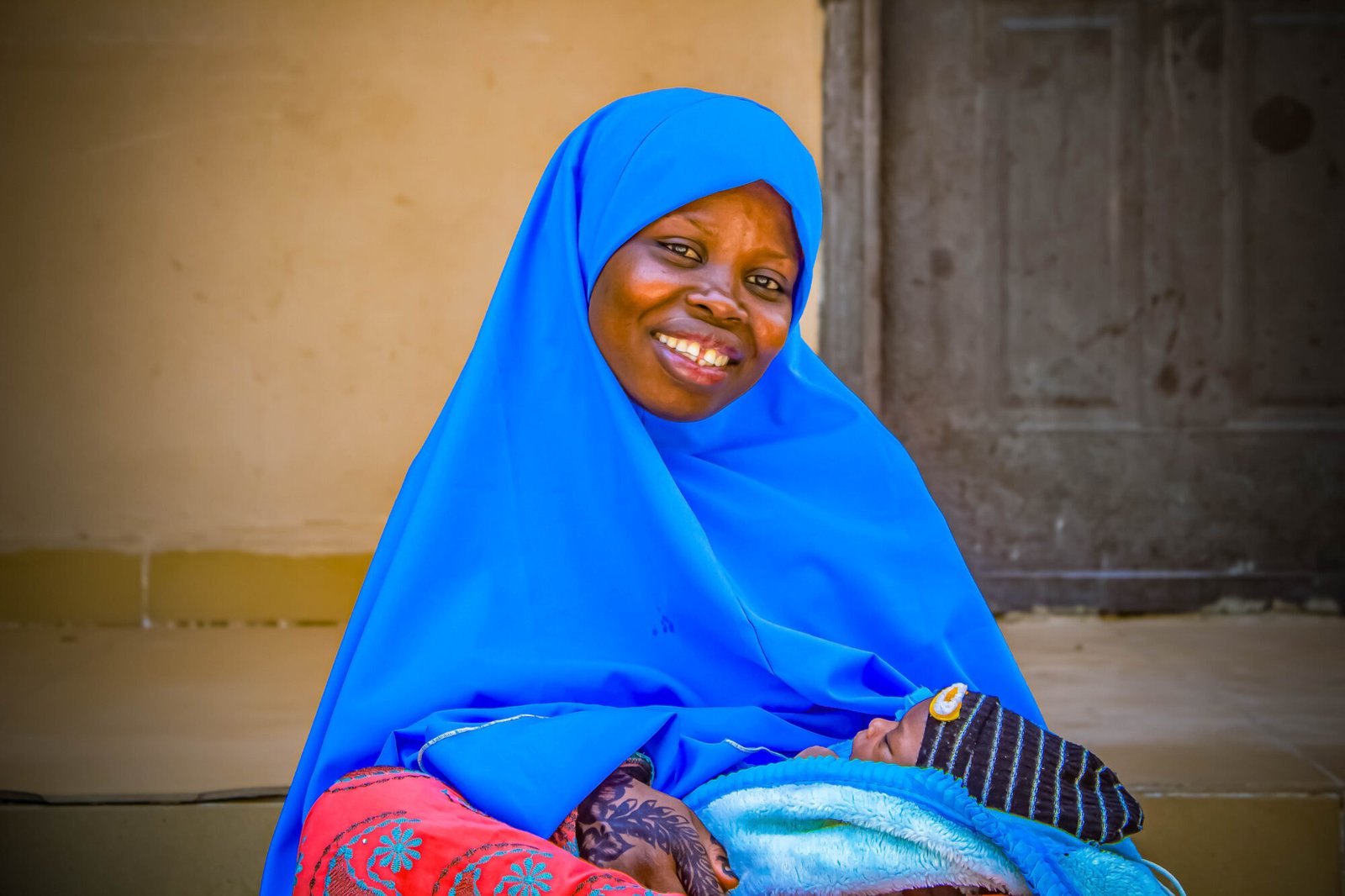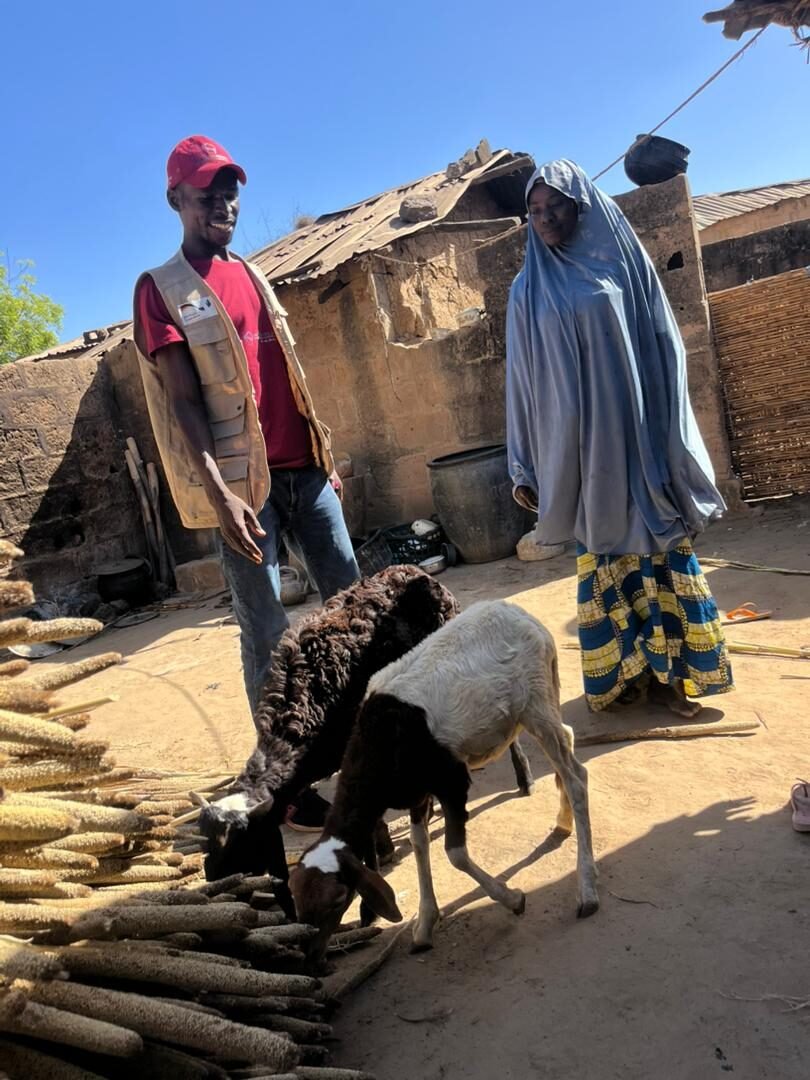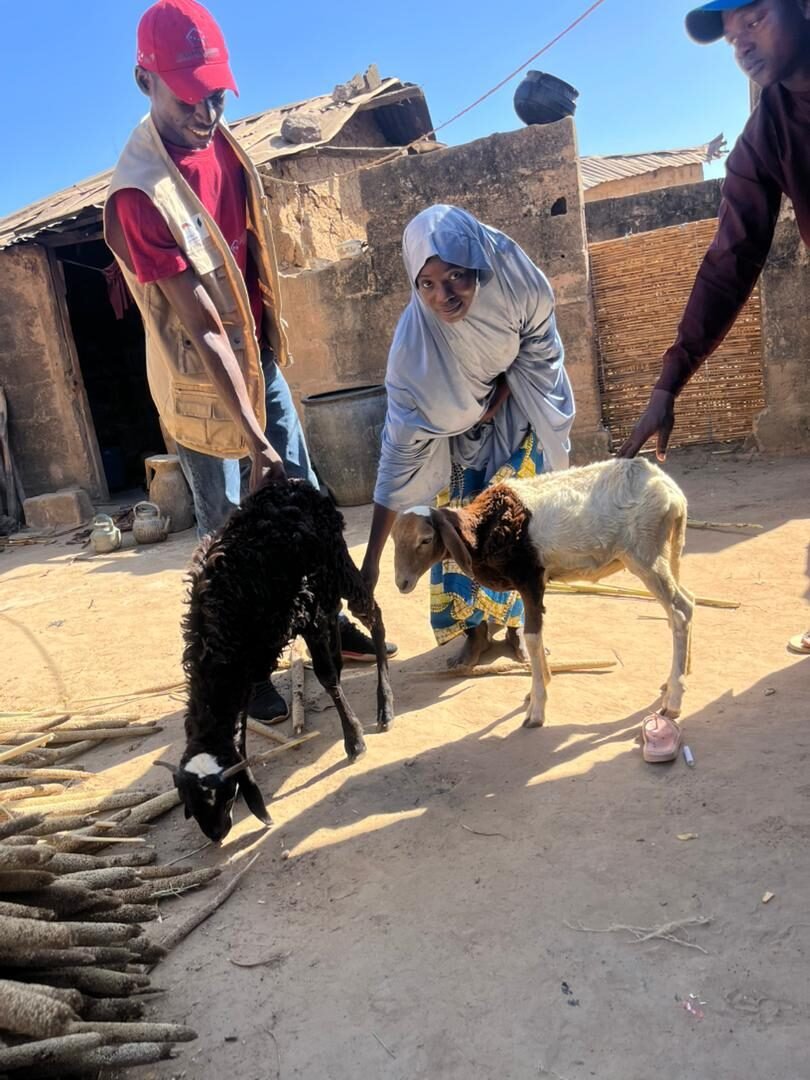
In Rabah, the headquarters of Rabah Local Government Area (LGA) of Sokoto State, lives Talatu Magaji, a 32-year-old mother of five whose story reflects the struggles and resilience of residents. This hardworking woman from a rural community, has always relied on small-scale farming to support her family. Despite her dedication, limited resources made it difficult for her to venture into livestock rearing, a dream she had long nurtured.
Before the intervention, Talatu struggled to acquire even a single sheep due to financial constraints. The high cost of quality breeds and the absence of proper training made livestock production seem out of reach for her.
“I used to admire people who had livestock, but I could never afford to buy even one sheep,” Talatu recalled. “It felt like something meant only for the wealthy.”
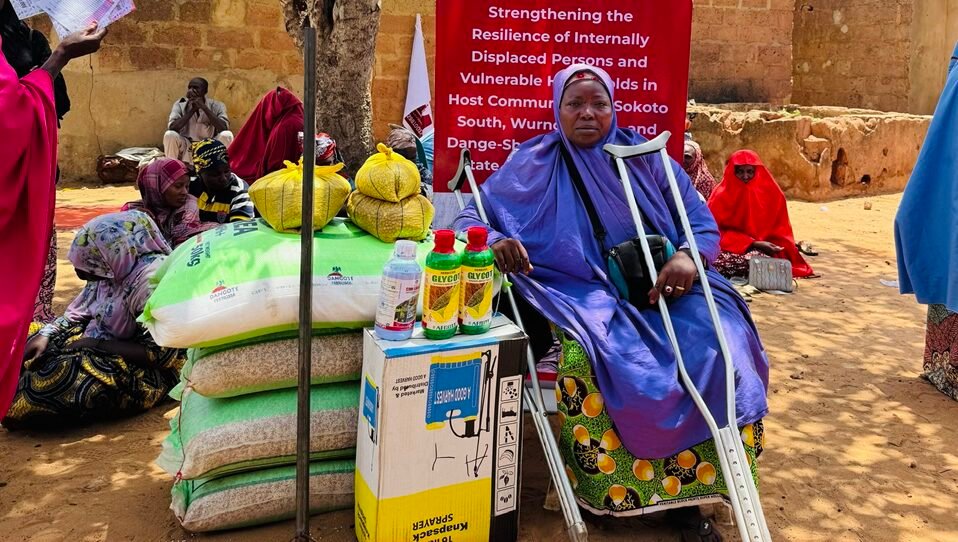
Her fortunes began to change when she was identified and registered as a livestock beneficiary for the intervention by Christian Blind Mission (CBM) International, Federal Ministry for Economic Cooperation and Development Germany (BMZ) and Albarka Health Spring Foundation (AHSF) under the STILNN Project. Along with other participants, Talatu attended a two-day training on livestock production. The sessions covered animal feeding, disease control, housing, and basic management practices. This training equipped her with the confidence and knowledge to care for and grow her livestock sustainably.
“Now I have sheep of my own, and I know how to take care of them,” she said. “This opportunity has given me hope that my small flock will grow and change my family’s future.”
Continuing this intervention is vital, as it empowers more rural families like Talatu’s to achieve economic stability and food security. By sustaining and expanding the program, communities can build resilience, promote self-reliance, and foster long-term rural development.