In many communities like Bunkutawa, in Rabah Local Government Area in Sokoto State, many families face challenges related to poverty, food insecurity, and limited access to nutrition education. These challenges often contribute to cases of childhood malnutrition, particularly among 6 to 59 months old children who require adequate nutrients for healthy growth and development. Maryam Shaibu has struggled to adequately provide nutritious food to her girls due to underlining risk factors such as income, level of education and limited knowledge on food choices, malnutrition and hygiene. While she noticed her children becoming weak and development being slow.
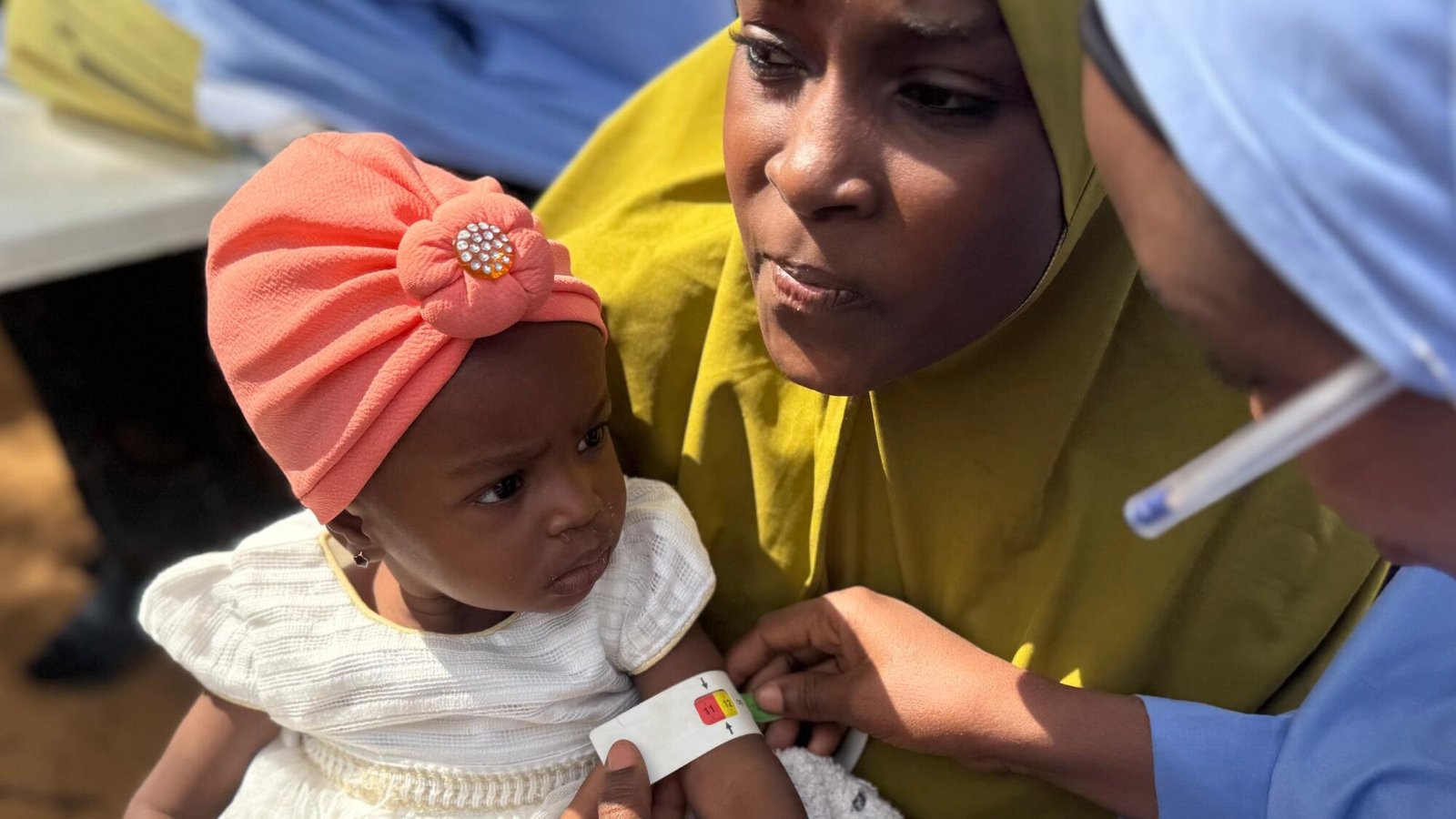
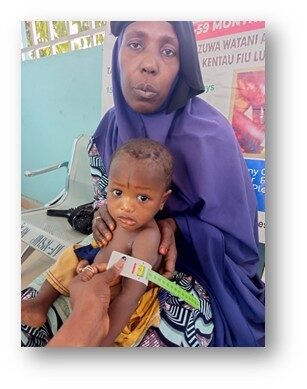
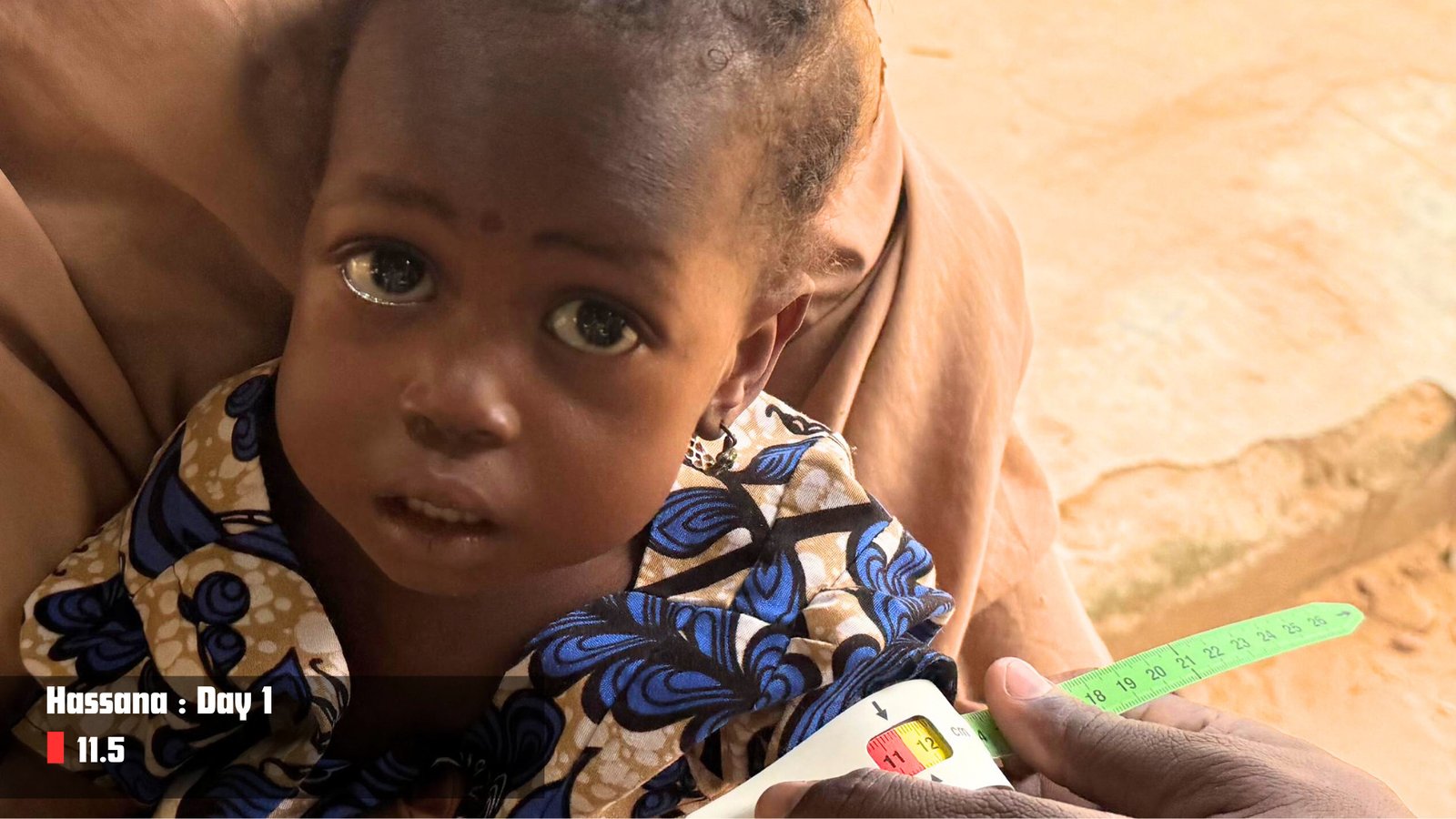
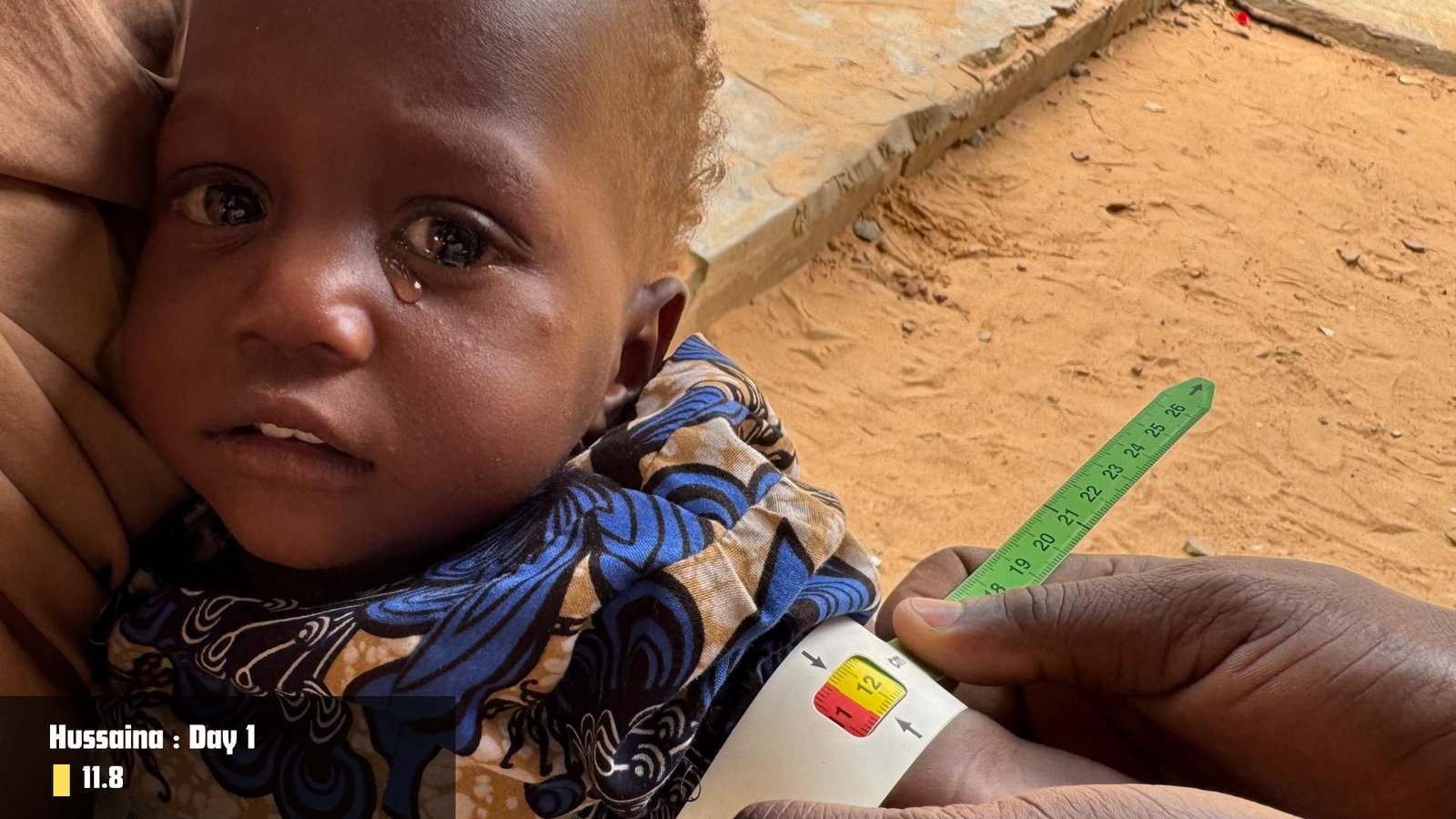
One of the nutrition activities of Targeted Supplementary Feeding Programme (TSFP) is active case findings of moderately acute malnourished (MAM) children under 5 years in communities. This also involves counselling and referral for treatment. During one of these visits in Bunkutawa, Gandi community, Rabah Local Government Area (LGA), Maryam Yahaya, a Community Nutrition Mobilizer (CNM) with Albarka Health Spring Foundation (AHSF) met Maryam Shuabu; a mother to twin girls- Hussaina and Hassana, she screened them using the Mid-Upper Arm Circumference (MUAC) tape and result came out that they were both malnourished; Hassana-11.5cm and Hussaina-11.8cm. She then referred the children for treatment at Gandi Primary Health Centre (PHC), where TSFP services is provided by AHSF in partnership with World Food Programme (WFP). Encouraged by reports from other mothers whose children had recovered after receiving treatment, Maryam brought the children to the facility where they were re-screened and enrolled for treatment.
Result and Impact
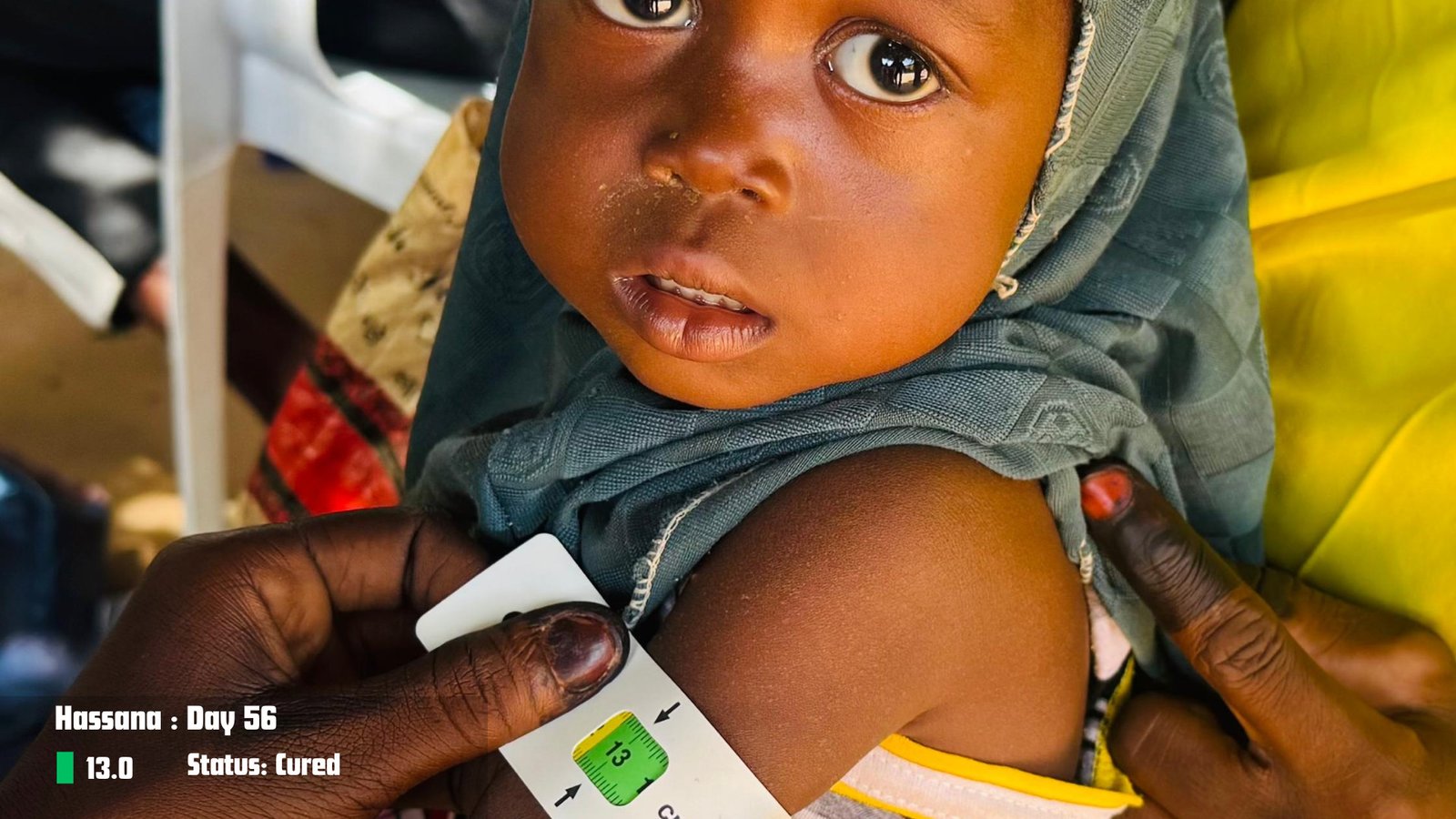
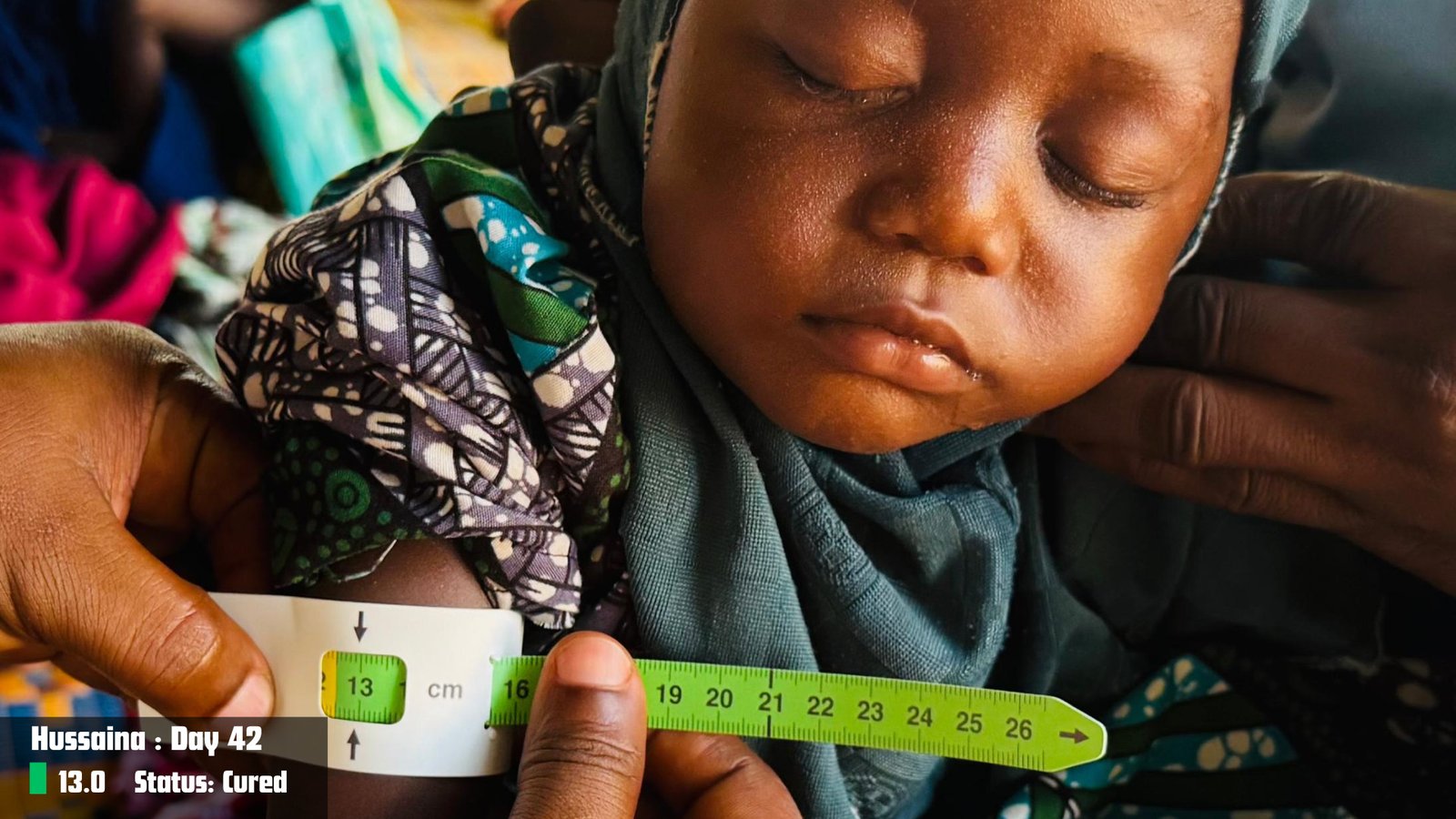
Through consistent treatment and adherence to the nutrition guidance provided by the nutrition team, both children began to show steady improvement. By the time of discharge, both children had fully recovered from Moderate Acute Malnutrition (MAM), with their MUAC measurements improving to 13.0 cm each, indicating a healthy nutritional status.
Hassana achieved recovery after five visits to the program, while Hussaina was cured after four visits of consistent treatment and monitoring.
Today, Maryam happily reports that her children are more energetic, playful, and visibly healthier than when they first joined the program.
Maryam expressed her gratitude for the intervention:
“When they were first admitted into the Targeted Supplementary Feeding Program, they looked weak and malnourished. But today I am very happy to see the significant improvement in their health. They are now full of energy and play more than before.
I want to sincerely appreciate the World Food Programme and Albarka Health Spring Foundation for coming to my rescue. I have also learned the importance of giving my children balanced diets and maintaining good hygiene. May God bless this intervention.”
She encouraged other mothers in her community to use the Ready-to-Use Supplementary Food properly and follow the nutrition guidance provided, emphasizing that the supplementary food is rich in nutrients and vitamins that help children grow stronger and healthier.
The story of Hussaina and Hassana demonstrates the life-changing impact of the Targeted Supplementary Feeding Program (TSFP). Through the joint effort of the World Food Programme and Albarka Health Spring Foundationc, vulnerable children suffering from malnutrition are given the opportunity to recover, thrive, and live healthier lives.
Beyond treating malnutrition, the program also empowers caregivers like Maryam with knowledge on nutrition, hygiene, and child care, helping to prevent future cases of malnutrition within the community.